Today, Bitcoin looks like a reliable symbol of wealth and financial freedom. But what if this giant of the crypto world loses its relevance?
What if technology, laws, or crises change the rules of the game, and what now looks like “digital gold” turns out to be just a relic of the past?
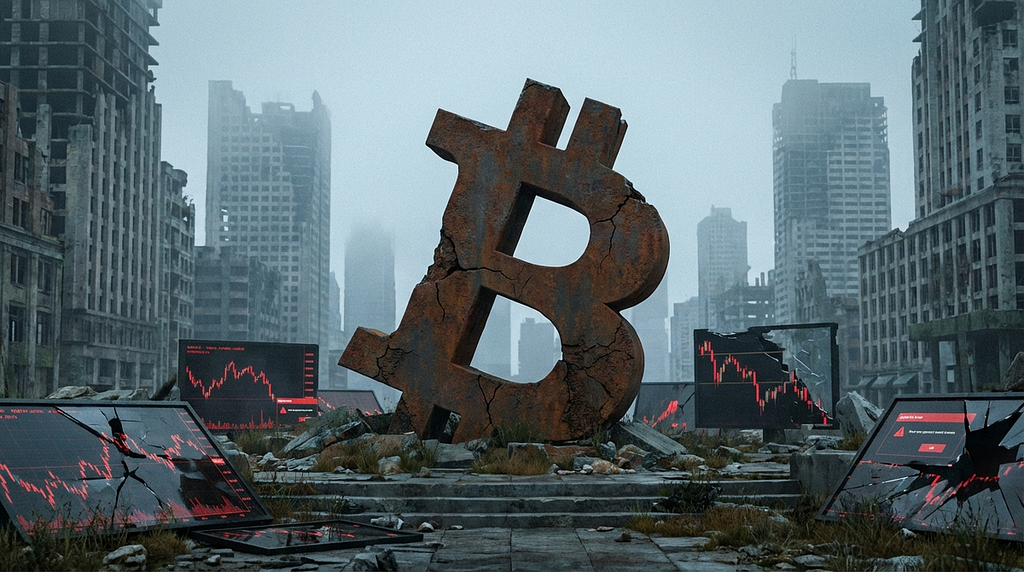
In this article, I’ll explain why Bitcoin matters today, what threats it actually faces, and what could lead to its disappearance from the financial arena.
What Makes Bitcoin Valuable?
In recent years, Bitcoin has gone from a niche technology for enthusiasts to a global financial instrument.
It’s discussed in the news, added to portfolios by investors, and in countries with unstable economies, it’s used as a way to preserve savings.
But what exactly makes it valuable?
1. Scarcity
Only 21 million coins — this hard cap is built into Bitcoin’s code, and it’s what protects Bitcoin from the inflation that government currencies are subject to.
Bitcoin can’t be “printed” the way regular money can. And every four years, mining new coins gets harder — this is called halving.
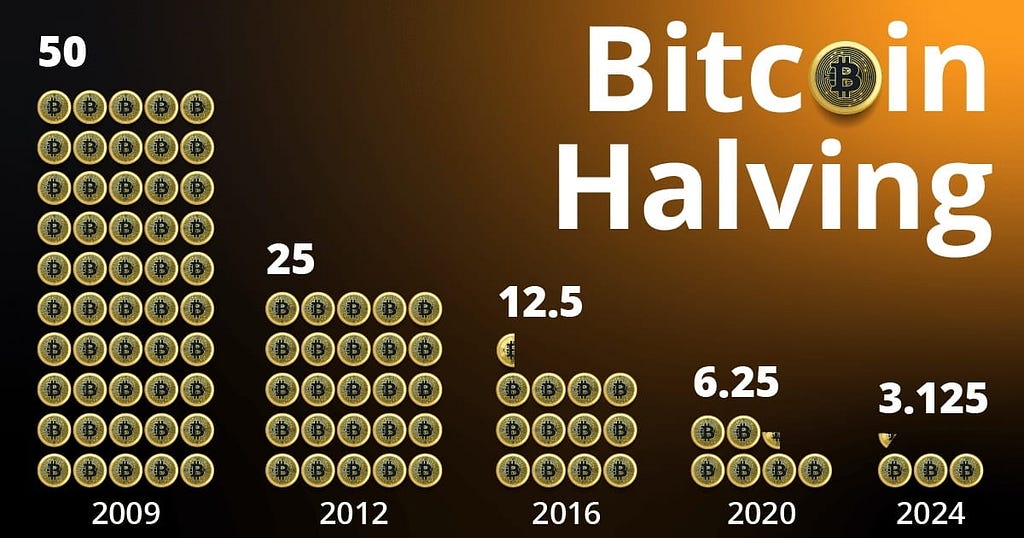
That’s why, over time, Bitcoin becomes increasingly scarce and expensive, and many investors compare it to gold, just in digital form.
New to crypto? Want to actually understand what blockchain is and how it all works under the hood? This is the one video you need to watch!
2. Freedom and Censorship Resistance
Bitcoin is decentralized — its network isn’t controlled by any bank, government, or company.
You can send funds anywhere in the world without the risk of the transaction being blocked.
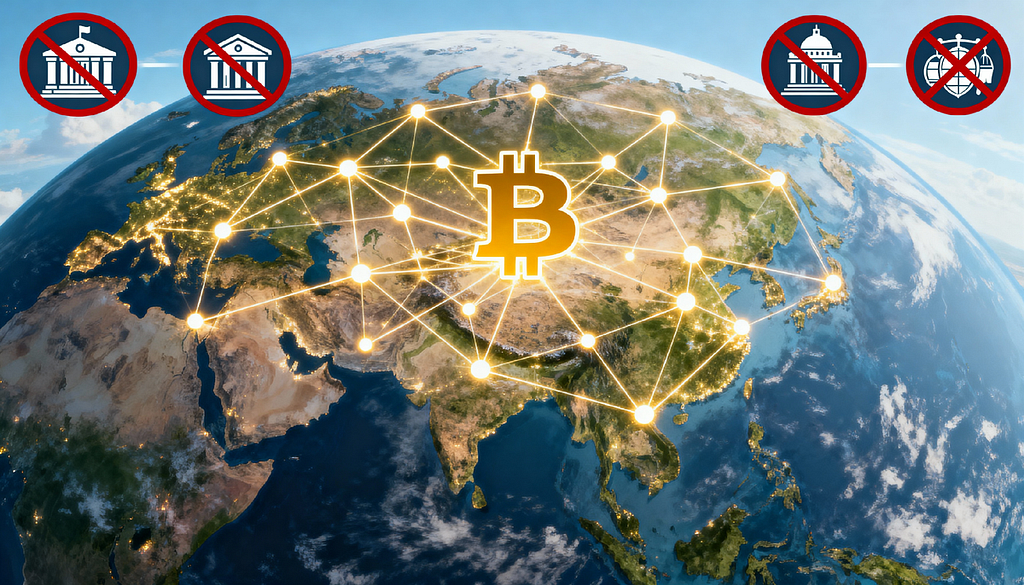
For example, if you want to transfer a large sum abroad through a bank, the operation can take several days, and sometimes it can be frozen altogether.
On the Bitcoin network, transfers go directly from person to person, with no intermediaries — whether it’s to the next town or to another continent.
3. Recognition by Institutional Investors
Funds and corporations are investing in BTC. This boosts confidence in the cryptocurrency and strengthens its position in the global market.
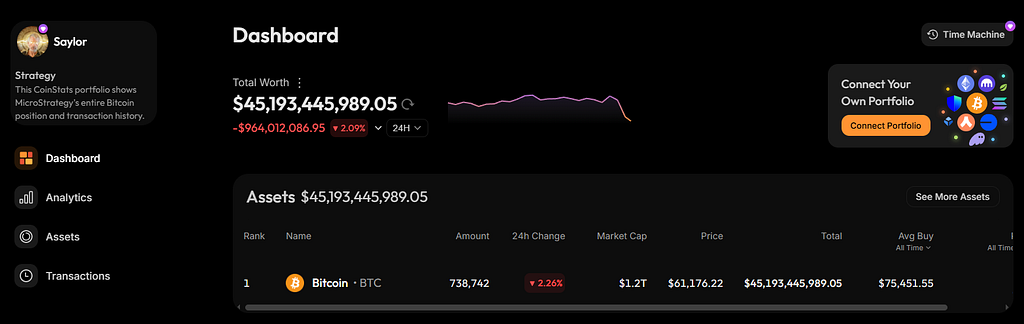
For example, Strategy leads in BTC holdings. As of June 2026, the company holds roughly 740,000 BTC, worth about $45 billion at current prices.
Tesla invested $1.5 billion and holds more than 12,500 BTC on its books.
Companies like Block, Marathon, and GameStop have also already added BTC to their reserves.
Even BlackRock is building positions in cryptocurrency. All of this shows that the biggest players in the financial market are taking Bitcoin seriously.
4. A Lifeline for Countries in Crisis
In countries with hyperinflation and currency restrictions, Bitcoin becomes a way to preserve and transfer capital. It doesn’t depend on the local currency and is less exposed to devaluation.
For instance, in Zimbabwe, inflation reached 736.1% in 2024 — the highest rate in the world. In Venezuela, inflation was 337.5% in 2023; in Argentina, it was 219.9% in 2024. In Turkey, inflation hit 58.5% in 2024.

People in countries with high inflation use Bitcoin to protect their savings from currency devaluation and bypass banking restrictions.
Today, Bitcoin isn’t just a digital currency — it’s a scarce, independent asset capable of preserving capital even amid global instability. Its value is reinforced by the trust of major investors and growing recognition.
However, even an asset this strong isn’t immune to risk. It’s important to understand the scenarios in which Bitcoin could lose relevance, and what could change its current role in the financial system.
Threats to Bitcoin
Even the most popular, time-tested asset isn’t permanent. Bitcoin, which today looks like a symbol of financial freedom and reliability, could face forces capable of undermining its significance.
- Technological obsolescence
Blockchains that are faster, cheaper, and more convenient than Bitcoin already exist, and some users are switching to them. Competitors with smart-contract support and high scalability are attracting more attention.
- Quantum hacking
The advance of quantum technology is fueling concerns that quantum computers could undermine Bitcoin’s security.
Their algorithms dramatically speed up breaking the network’s cryptography, including recovering private keys from public ones.
- A global ban and harsh regulation
If the major powers reach an agreement, they could restrict the use of Bitcoin. Banning mining, blocking exchanges, and controlling ownership would make the cryptocurrency almost inaccessible.
- A collapse of trust
Although the Bitcoin protocol is considered reliable, any serious vulnerability or hack could undermine trust in it.
- An economic scenario
If the global economy stabilizes, people may need “digital gold” less. With strong fiat currencies, interest in Bitcoin as a hedge asset would decline.
- A shift in the underlying principle
Central banks are actively testing their own digital currencies (CBDCs). If these become widespread, people might prefer state-backed solutions, and the idea of decentralization could lose popularity.
While these threats are real, Bitcoin is far from doomed. It has survived many challenges and continues to evolve, strengthening its position.
Understanding the risks helps you make informed decisions. However, a closer look shows that many of these scenarios are unlikely to unfold anytime soon.
How Real Are These Threats?
Many predict Bitcoin’s collapse, but the facts and the network’s mechanics tell a different story — its resilience remains unmatched. Let’s break down why Bitcoin is unlikely to follow the grim scenarios skeptics talk about:
- Technological obsolescence
New blockchains constantly emerge, competing for attention and market share. Bitcoin, meanwhile, remains the foundation of crypto, and its stability is what gives it value.
Since 2009, more capital has flowed into Bitcoin than any other cryptocurrency. When new projects disappoint, much of that capital eventually returns to BTC.
- Quantum hacking
Quantum computers could theoretically threaten the network’s cryptography, but post-quantum algorithms capable of protecting Bitcoin are already being developed.
Current estimates suggest quantum hacking is still a long way off, but you can get a sense of what’s coming and prepare for the threat by reading the article below!
Read: Quantum computing vs Bitcoin: real threat or overhyped fear?
- A global ban and harsh regulation
In 2021, China banned mining and blocked exchanges, but mining simply moved to the US, Kazakhstan, and other regions, and transactions kept going through. Decentralization makes a total ban practically impossible.
- A collapse of trust
The Bitcoin protocol has been tested by the global developer community for more than 17 years. Even after major exchange hacks, the network remains secure and functional, and users keep trusting it with their funds.
But trusting Bitcoin and using crypto safely are two different things. To avoid losing money to exchanges, scammers, or your own mistakes, you need to know the rules. I cover them on my Telegram channel — come aboard.
- An economic scenario
Setting emotions aside, overly strong currencies don’t benefit governments — they slow economic activity, reduce tax revenue, and make it harder to fund spending.

Money in the economy is like blood in the human body: it’s bad when it stagnates, and that’s exactly what would happen if inflation suddenly disappeared.
- A shift in the underlying principle
Central banks around the world are testing their own digital currencies, but their capabilities and goals differ greatly from Bitcoin’s.
CBDCs are fully controlled by the state, while Bitcoin remains decentralized and independent of national policy.
What’s more, CBDCs are confined to a single country, and their issuance is regulated by the state and can be changed at the central bank’s discretion — unlike Bitcoin’s limited, predictable issuance.
In short, most of the threats to Bitcoin are exaggerated or solvable through technology. The network continues to evolve, strengthen its security, and maintain its status as a reliable digital asset.
As of today, Bitcoin is still a fairly risky asset, but government currencies haven’t exactly been a model of stability for a long time either.
A smart investor doesn’t go all in — they diversify and combine different instruments to protect their capital and take advantage of everything the market has to offer.
Those who register on ByBit using my referral link and deposit a balance of $100 or more will have the chance to win up to 1025 USDT.
Sign up using my link and take bonuses [Click]
Referral code: CAPCRYPTO
6 Ways Bitcoin Could Die was originally published in The Capital on Medium, where people are continuing the conversation by highlighting and responding to this story.
from The Capital - Medium https://ift.tt/veOL5IB


0 Comments