By Ramlakhan swami on The Capital
The sooner you start Financial planning the better, but it’s never too late to create financial goals to give yourself and your family financial security and freedom.
Three key character traits can help you avoid innumerable mistakes in managing your personal finances: discipline, a sense of timing, and emotional detachment.
The people who know personal finance hide the money very carefully.
Here are the best practices and tips for personal finance:
1. Devise a Budget
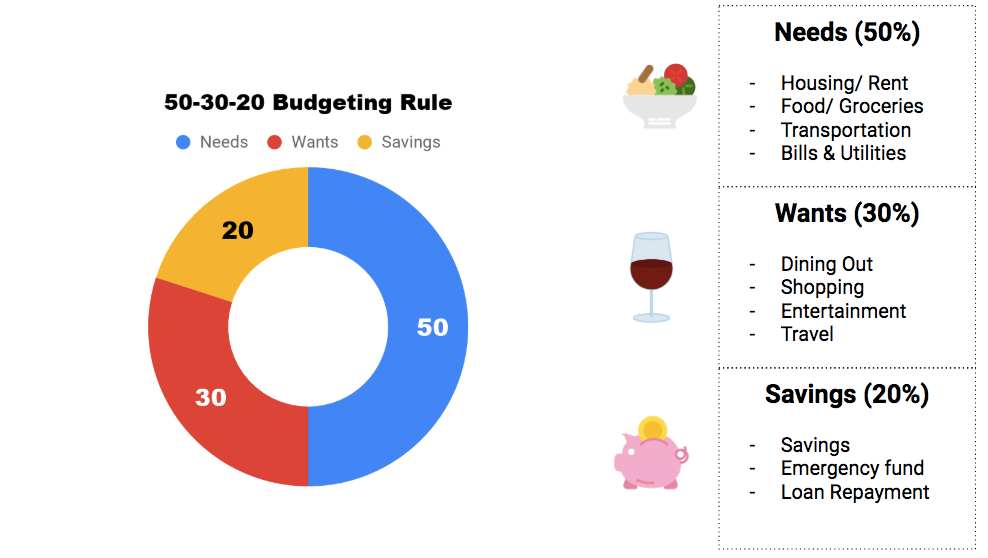
A budget is essential to living within your means and saving enough to meet your long-term goals. The 50/30/20 budgeting method offers a great framework. It breaks down like this:
- 50% of your net income (after taxes, that is) goes toward living essentials, such as rent, utilities, groceries, and transport
- 30% is allocated to lifestyle expenses, such as dining out and shopping for clothes.
- 20% goes towards the future: paying down debt and saving both for retirement and for emergencies.
It’s never been easier to manage money, but the 50/30/20 budgeting method will definitely help you.
2. Limit Debt:
It sounds simple enough: To keep debt from getting out of hand, don’t spend more than you earn. It can take just a few months to create tens of thousands of dollars in debt, but it may take decades to pay off that debt. If you’re struggling and need a starting point for your debt-reduction strategy, go through this -10 Strategies for Paying off Your Debt
3. Monitor Your Credit Score:
Credit cards are the main vehicle through which your credit score is built and maintained, so watching credit spending goes hand in hand with monitoring your credit score. Factors that determine your score include how long you’ve had credit, your payment history, and your credit-to-debt ratio.
Credit scores are calculated between 300 and 850. Here’s one rough way to look at it:
- 720 = good credit
- 650 = average credit
- 600 or less = poor credit
To pay bills, set up direct debiting where possible (so you never miss a payment) and subscribe to reporting agencies that provide regular credit score updates. By monitoring your report, you will be able to detect and address mistakes or fraudulent activity.
Here is a quick way to check your credit card score https://www.bankbazaar.com/credit-score.html
4. Use Credit Cards Wisely:
Your credit is a lot like your health. To keep it in good condition, you want to take care of it, minimize risk, watch for warning signs, and make responsible decisions.
These habits (mentioned below) may help you take control of your finance
- Create and stick to a budget.
- Borrow only what you can afford to pay back
- Pay your bills on time
- Carry credit card balances responsibly
- Check your credit reports at least once each year
- Take advantage of technology and tools to avoid credit pitfalls
5. Create an Emergency Fund
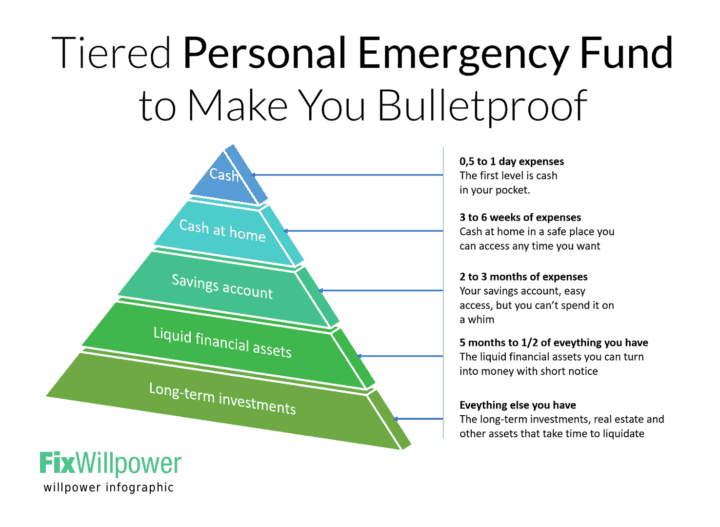
It’s important to “pay yourself first” to ensure money is set aside for unexpected expenses such as medical bills, a big car repair, rent if you get laid off, and more.
The advantage of paying yourself first out of your paycheck is that you build up wealth to secure your future and create a cushion for financial emergencies, such as car break down, financial crisis, or unexpected medical expenses. Without savings, many people experience a lot of stress.
6. Maximize Tax Breaks
Due to an overly complex tax, many individuals leave hundreds or even thousands of dollars sitting on the table every year. By maximizing your tax savings, you’ll free up money that can be invested in the reduction of past debts, your enjoyment of the present, and your plans for the future. In short, a tax deduction reduces the amount of income you are taxed on, whereas a tax credit actually reduces the amount of tax you owe.
7. Give Yourself a Break
Budgeting and planning can seem full of deprivations. Make sure you reward yourself now and then. Whether it’s a vacation, purchase, or an occasional night on the town, you need to enjoy the fruits of your labor. Doing so gives you a taste of the financial independence you’re working so hard for.
https://twitter.com/thecapital_io
How to manage your personal finances was originally published in The Capital on Medium, where people are continuing the conversation by highlighting and responding to this story.
from The Capital - Medium https://ift.tt/30BxFW1


0 Comments